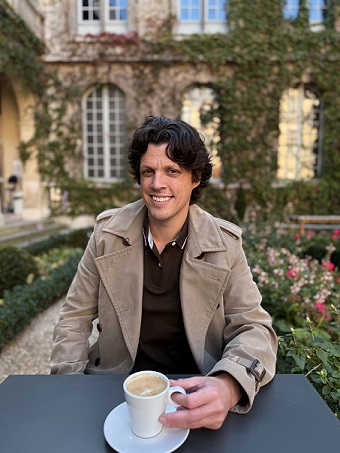
Teaching graduate students in the Harris College of Nursing & Health Sciences, Patrick Sherlock understands there’s a place for textbooks and PowerPoints. But he also recognizes the value of having learning tools at one’s fingertips. So when the adjunct nursing faculty couldn’t find a medical training app that he liked for students, he developed one.
“There’s not a whole lot out there for advanced online learning,” said Sherlock, who is also an adult gerontology acute care nurse practitioner and self-taught digital architect.
“I’m part of the Nintendo generation, so I can pick up software and figure it out,” he said.
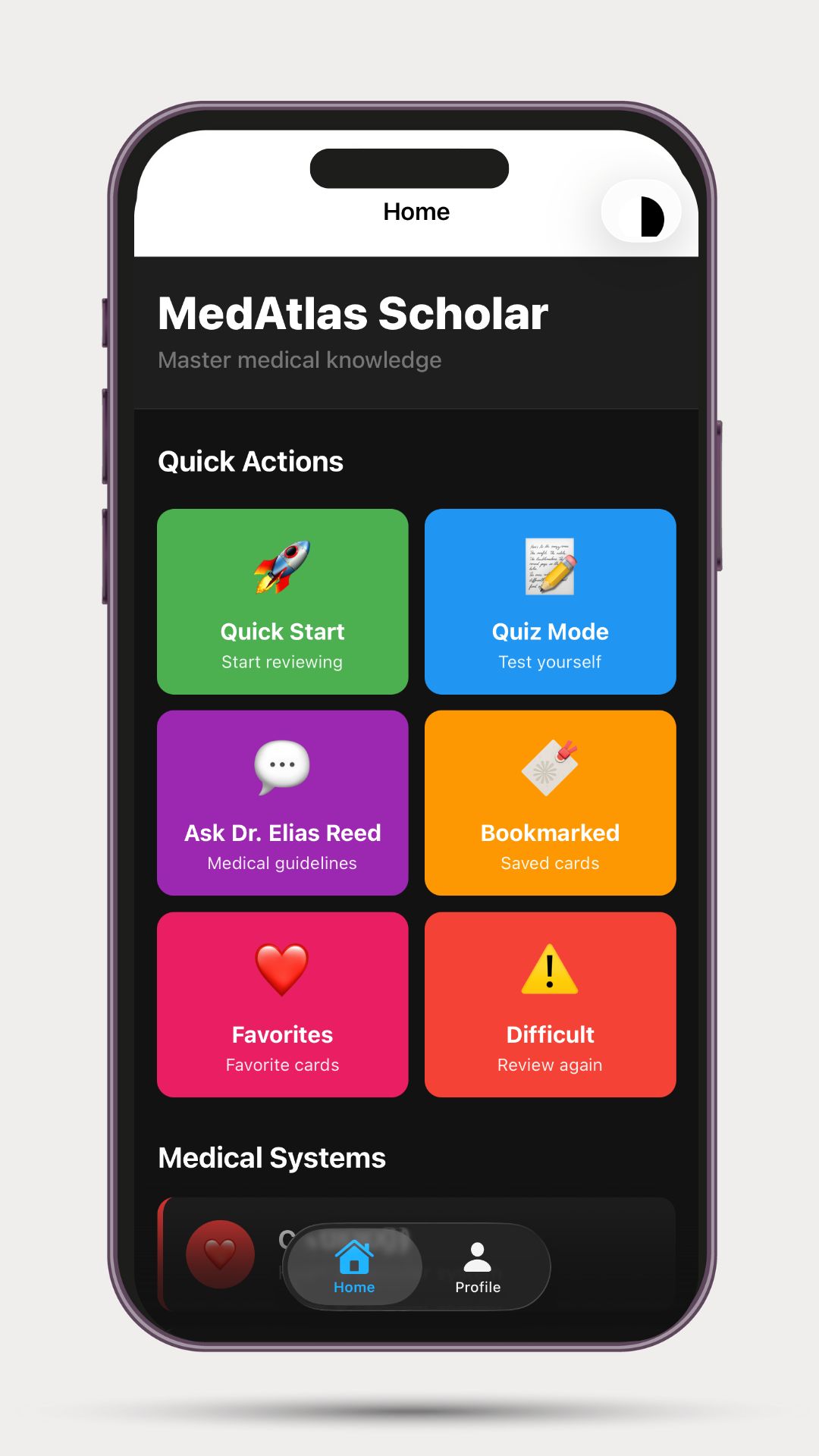
With the help of Google, YouTube and ChatGPT, he created the MedAtlas Scholar app for students who want a different way of studying medicine.
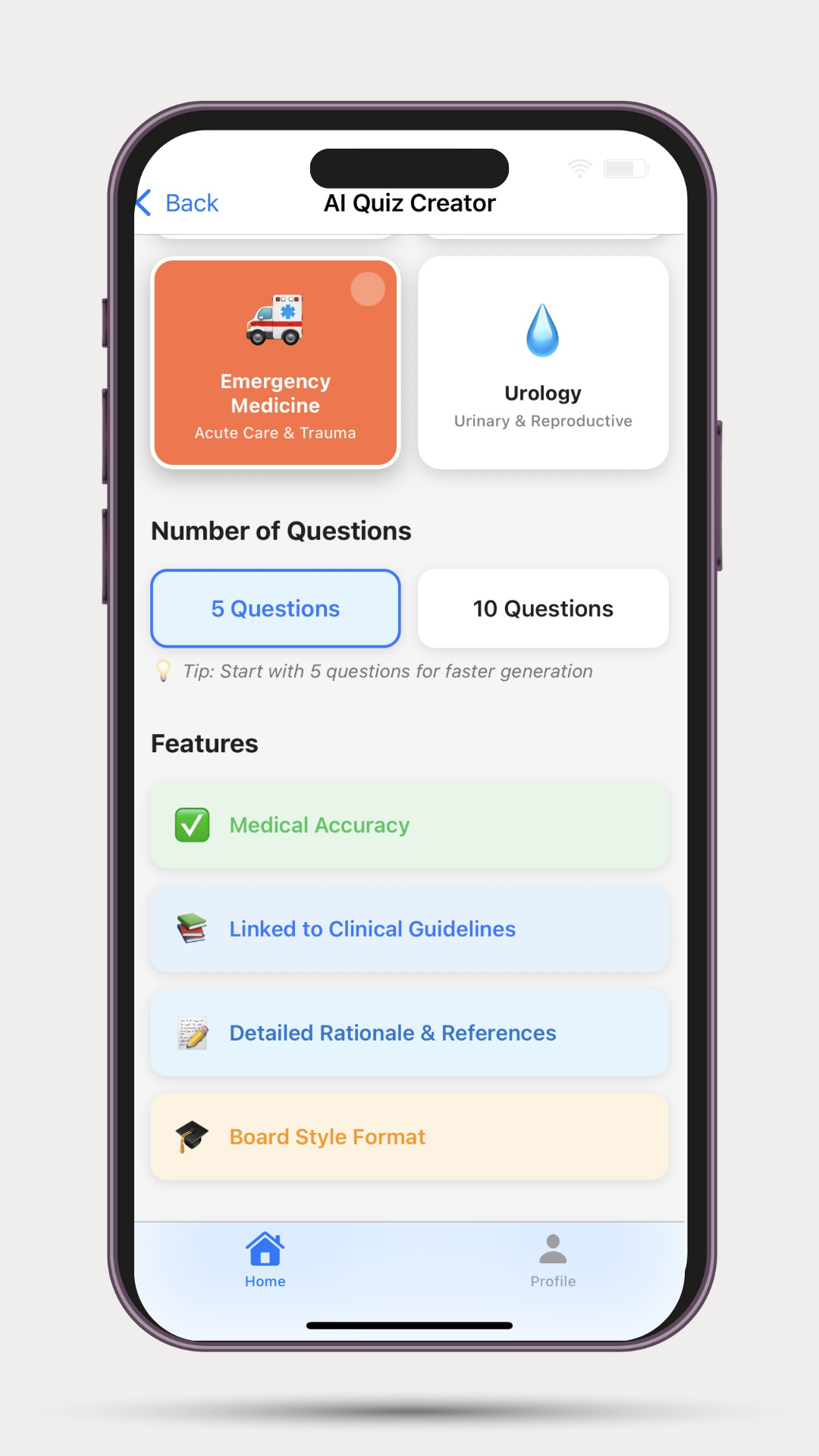
The app includes more than 2,700 flashcards, connecting concepts and memory to “pearls of information about diseases,” Sherlock said. There’s also a quiz generator with five to 10 board-style questions covering a range of medical systems – from cardiology to hematology to urology. The questions it generates are designed to help students prep for board review.
Calling Dr. Reed
What may be most helpful is Dr. Elias Reed. “ELIAS” stands for Evidenced Linked Instructional
Academic Synthesizer. “REED” stands for Referenced Evidence and Educational Distillation. The
feature is designed so that “Dr. Reed” becomes an artificial intelligence learning
companion. The more you use it, the more in tune it will get with asking follow-up
questions.
“Let’s say you ask Dr. Reed to tell you about COPD (chronic obstructive pulmonary disease),” Sherlock said. “It will give you a rundown of information.”
It provides clear and clinical definitions of medical conditions, the typical clinical presentation and diagnostic considerations and more. Its knowledge comes from professional medical reference texts, peer-reviewed academic literature and clinical practice guidelines.
“All the information comes from evidence-based, validated sources and students can see the references,” he said. “It’s a core knowledge engine with medical ‘guard rails.’”
What the app doesn’t do is make diagnoses. As the Dr. Reed feature notes, “I support learning – I do not practice medicine.”
Sherlock launched the MedAtlas Scholar app earlier this year. It’s free and currently available on the Apple app store for iOS, but he hopes to add Android users.
“I want it out there as a learning companion,” Sherlock said. “And as it’s used more and more, we’ll be able to see where students struggle so as educators, we can help fix that.”