Harris College of Nursing & Health Sciences welcomes five new faculty this fall.
Zachary Gillen, Associate Professor of Kinesiology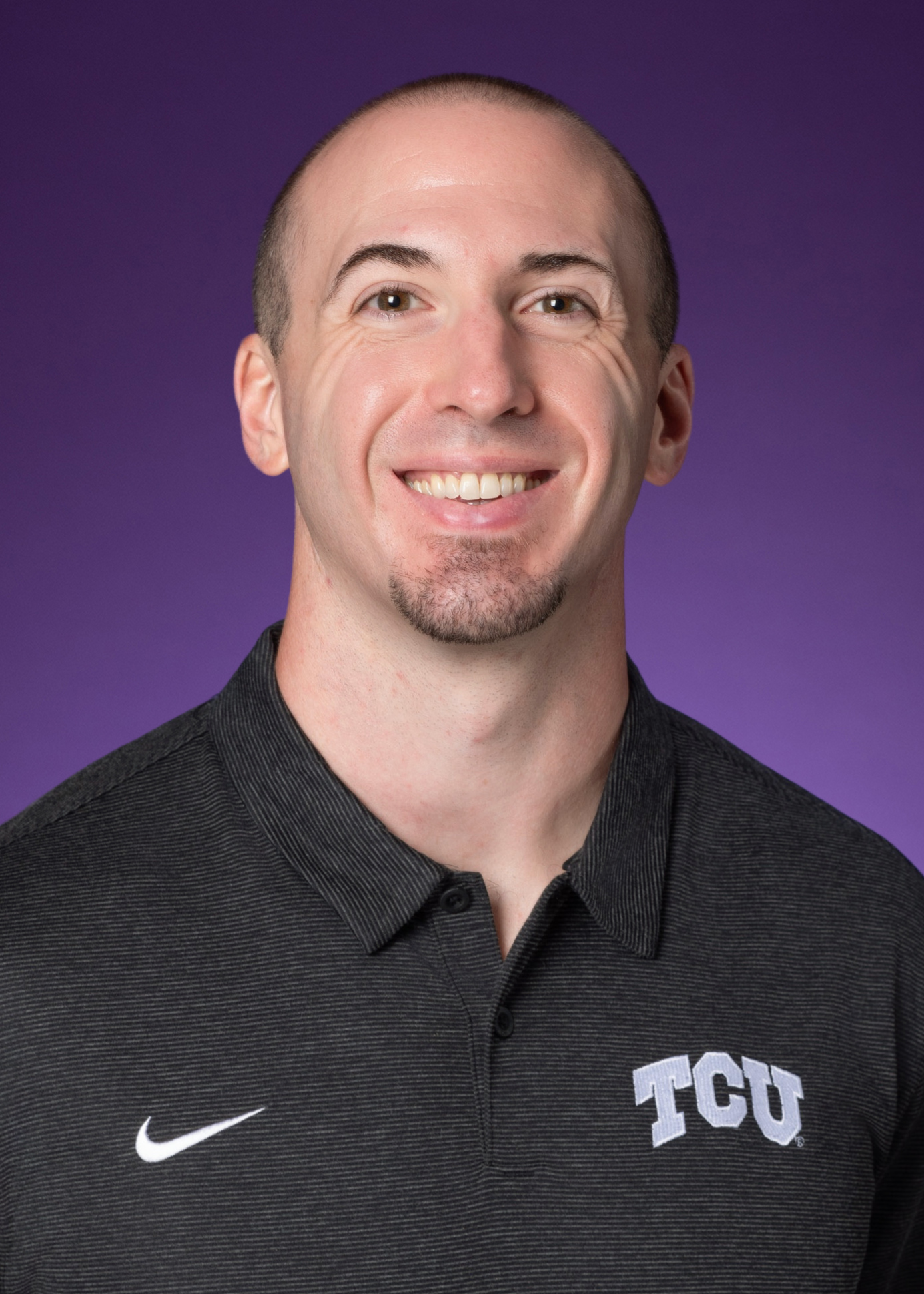
Zachary Gillen joins TCU after six years at Mississippi State University, where he served as an assistant professor in the Department of Kinesiology and director of the Resistance Exercise Performance Lab. He earned a Bachelor of Science in exercise physiology from Midwestern State University in 2013, followed by a Master of Science in exercise physiology in 2015. In 2020, Gillen earned a doctorate in exercise physiology and nutrition from the University of Nebraska-Lincoln.
Gillen’s research focuses on maximizing human performance through a variety of measurement techniques, with a particular interest in how technology can guide research and deepen our understanding of performance. His work examines human performance across a range of populations and settings — from athletes and tactical professionals to injury prevention and rehabilitation — with the goal of improving methods for prescribing training programs. He also studies exercise adaptations across the lifespan, from children to aging populations.
At TCU, Gillen serves as associate director of the Roach Institute of Athlete Engineering and is teaching Introduction to Kinesiology this semester.
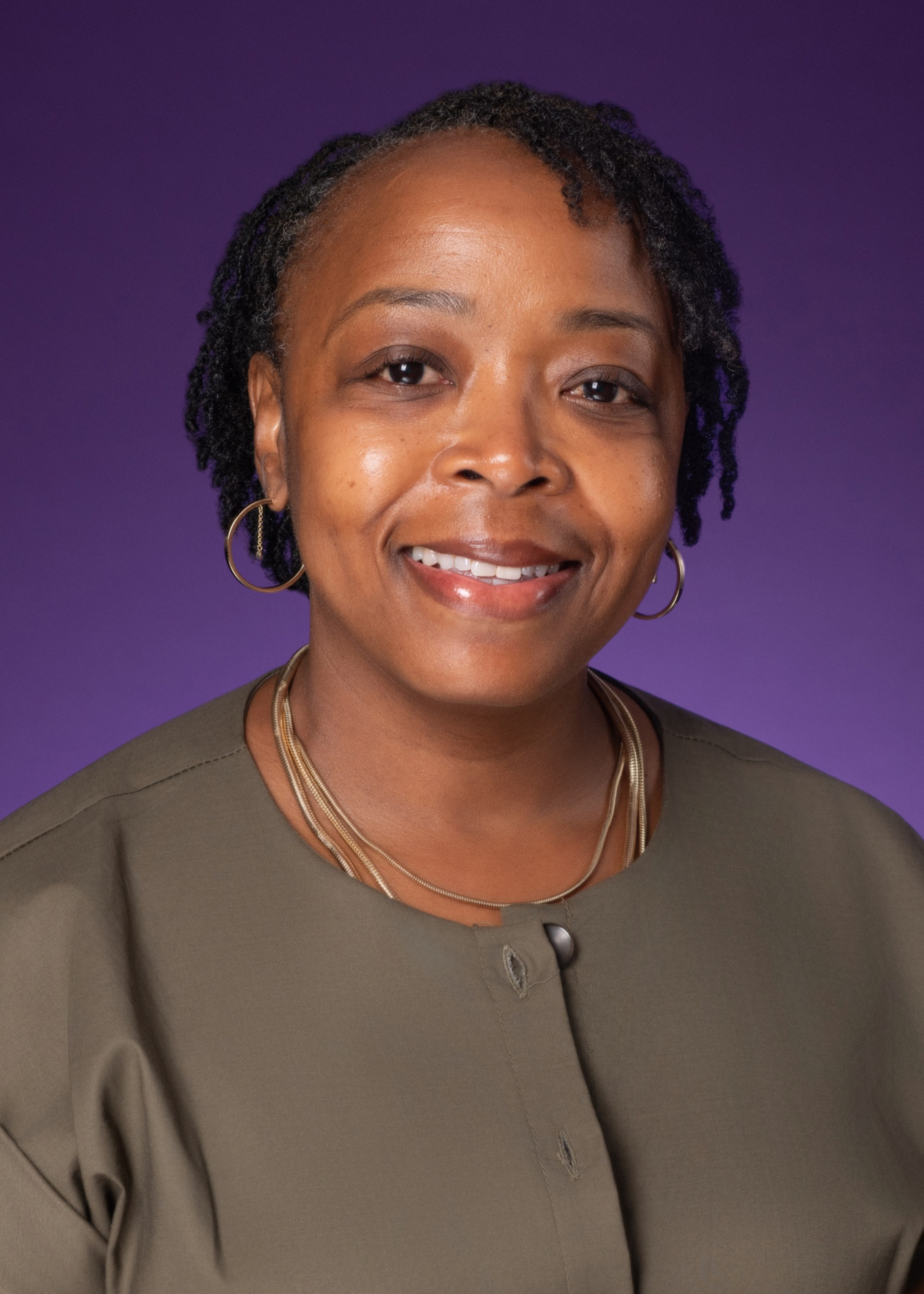 Annie Kyle, Assistant Professor of Professional Practice for Nursing
Annie Kyle joins TCU as an assistant professor of professional practice in nursing from Dallas College School of Health Sciences, where she taught nursing since 2016. She also previously taught at Galen College of Nursing.
Kyle earned an Associate Degree in Nursing from San Antonio College, a Bachelor of Science in Nursing from the University of Texas at Arlington, a Master of Science in Nursing from Jacksonville University and a Doctor of Nursing Practice from Arkansas State University.
At TCU, Kyle teaches Adult I Clinical, Pathophysiology and NSP I.
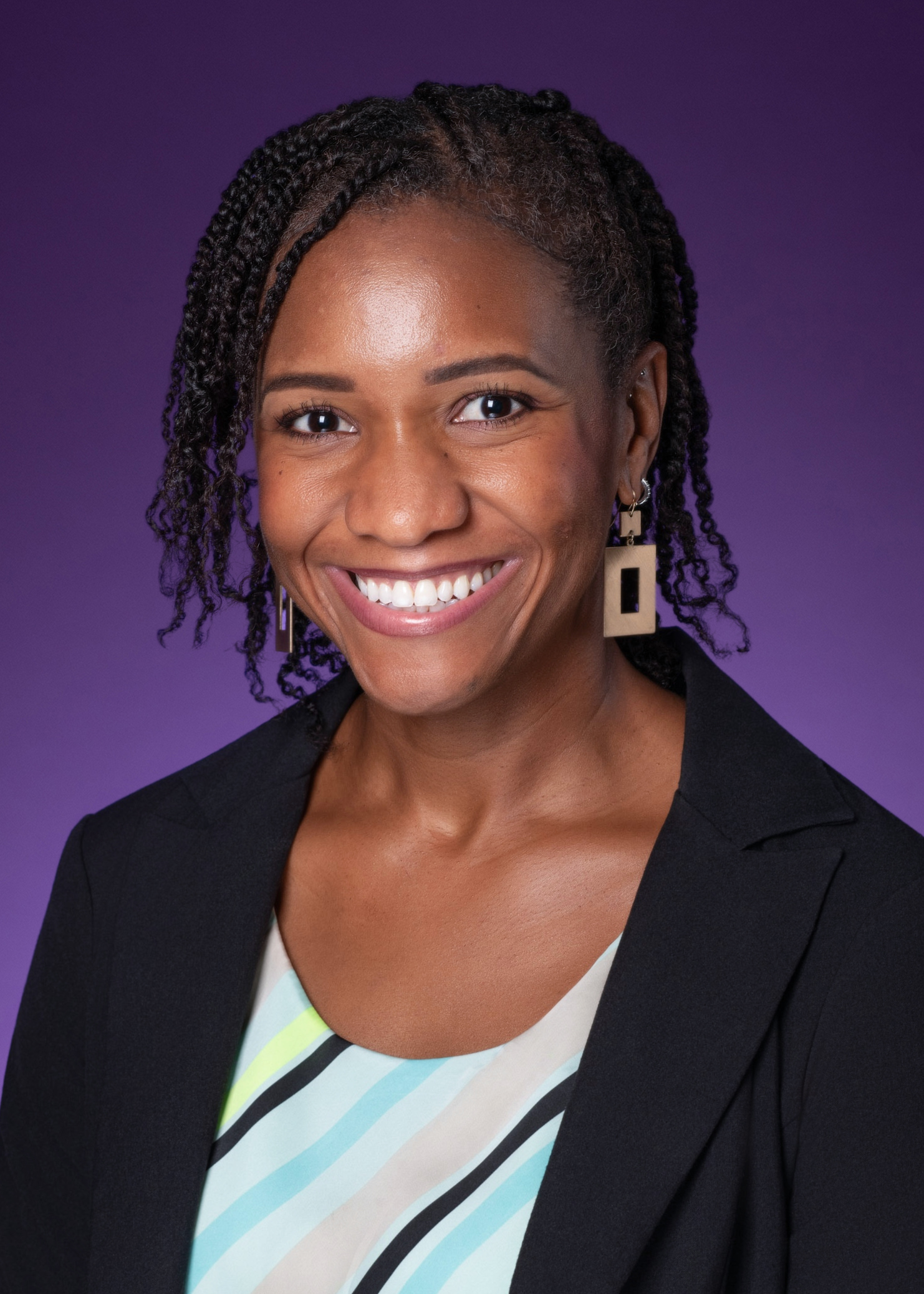 Tamesha Tucker, Assistant Professor of Professional Practice for Nursing
Tamesha Tucker joins TCU as an assistant professor of professional practice in nursing after previously teaching full time at a community college. An Arlington, Texas, native and neonatal intensive care registered nurse, Tucker has been teaching nursing since 2018. Her areas of focus include soft skills, simulation, pediatric and neonatal nursing, and nursing education.
Tucker earned an Associate Degree in Nursing from Panola College in 2008, followed by a Bachelor of Science in Nursing in 2017 and a Master of Science in Nursing Education in 2018, both from the University of Texas at Arlington. In 2024, she earned a Doctor of Nursing Practice in educational leadership from American Sentinel College of Nursing at Post University.
Tucker’s doctoral research focused on nursing students’ self-efficacy and soft skills. As part of her research, she developed a soft-skills training session that incorporated resume building and interviewing skills to help prepare nursing students for their professional careers.
A Great 100 Nurses of DFW honoree, Tucker is a Certified Nurse Educator and is certified in neonatal intensive care nursing. Her teaching experience spans pediatric nursing and clinicals, pharmacology, nursing skills, pathophysiology, medical-surgical clinical and foundations of nursing.
At TCU, Tucker teaches Clinical Reasoning in Simulation I, Nursing Skills Practicum I and Human Development.
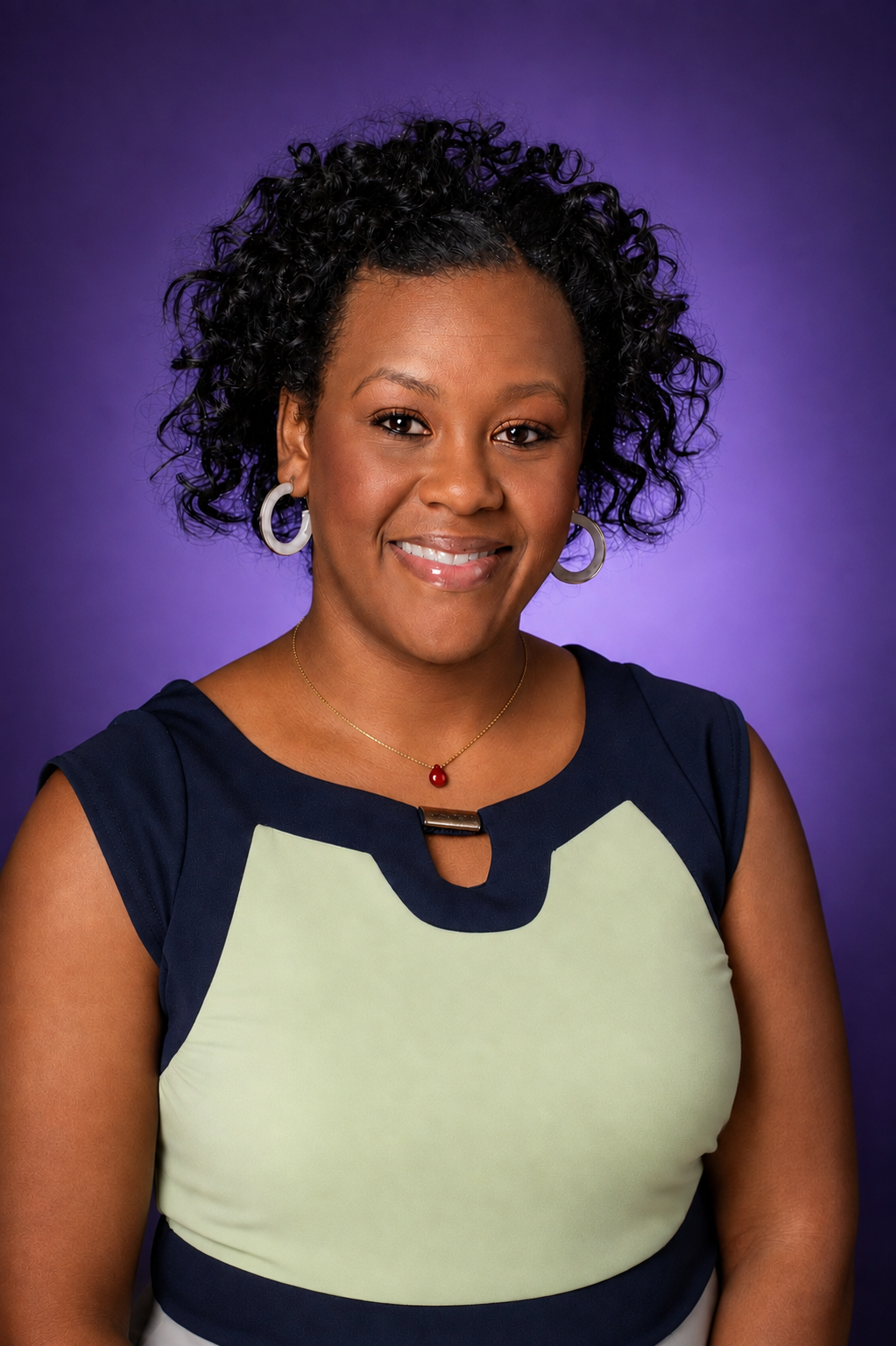 Belinda Tyner, Assistant Professor of Professional Practice for Nursing
Belinda Tyner joins TCU as an assistant professor of professional practice in nursing from Dallas College.
Tyner earned a Bachelor of Science in Nursing from Northwestern State University of Louisiana and a Master of Science in Nursing with a focus in adult and gerontology nurse practitioner studies from the University of Alabama at Birmingham. She later completed a post-master’s program in psychiatric mental health nurse practitioner studies at Texas Tech University.
At TCU, Tyner teaches Adult Health I Clinical and Foundations Clinical.
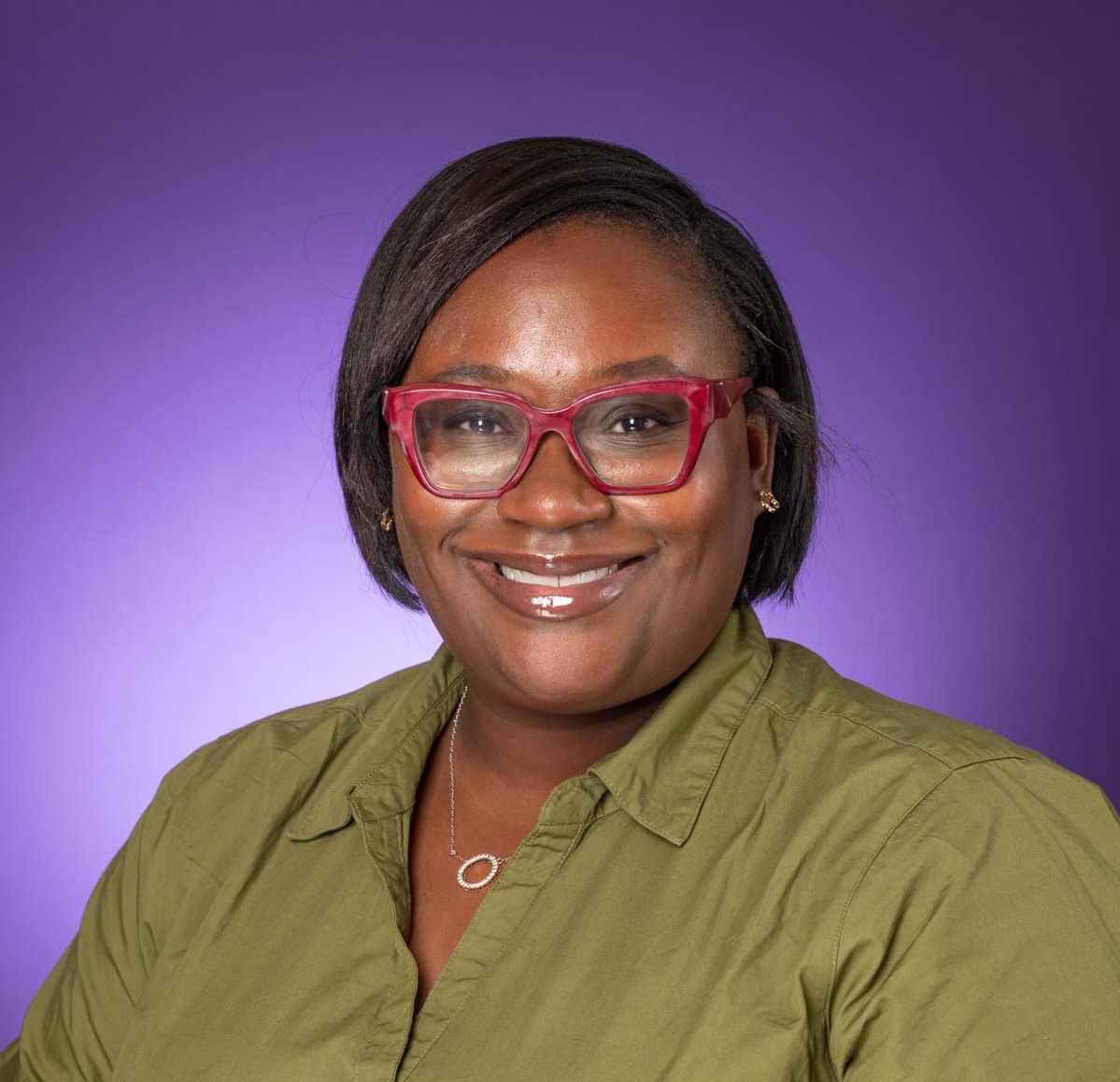 Raven Wright-Smith, Assistant Professor of Nursing
Raven Wright-Smith joins TCU in her first faculty teaching position after completing postdoctoral training with the Program on Integrative Medicine at the University of North Carolina at Chapel Hill School of Medicine. During her graduate training, she gained experience as both a teaching assistant and a research assistant.
Wright-Smith earned a Bachelor of Science in Nursing from the University of Wisconsin-Milwaukee School of Nursing in 2017 and a doctorate from the University of North Carolina at Chapel Hill School of Nursing in 2024.
Wright-Smith’s research focuses on understanding how stress, particularly intergenerational stress, influences biological aging and cardiometabolic health. She is especially interested in using stress and aging biomarkers to better understand the physiological pathways linking psychosocial stress to chronic disease risk. Her recent work has examined the relationships among intergenerational stress, biological aging and cardiometabolic risk.
Moving forward, Wright-Smith plans to apply implementation science approaches to translate integrative medicine interventions, including yoga and mindfulness, into real-world settings. Her goal is to better understand how these interventions can mitigate the biological effects of stress, promote healthy aging and reduce cardiometabolic risk across diverse populations.
At TCU, Wright-Smith teaches Role III: Evidence-Based Practice and Adult I Clinical in the undergraduate nursing program.